Key Takeaways:
- Not all contrast media suppliers are equal—use this checklist to compare key areas.
- Look beyond price; focus on quality metrics, reliability, and support.
- Delivery speed, stock consistency, and product safety all matter for your imaging center.
- Choose vendors with a history in medical imaging, not just general supply.
- Hitech Global Medical Services Co. meets all the standards, helping you serve patients with confidence.
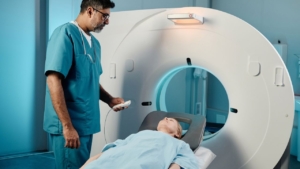
Not all contrast media suppliers are the same. In the fast-paced world of medical imaging, especially when working with high-risk patients or complex procedures like magnetic resonance imaging, your supplier’s performance can shape everything from patient outcomes to workflow stability.
That’s why choosing the right vendor isn’t just about price. It’s about performance, reliability, and safety. Whether your imaging center works with pediatric patients, patients with acute kidney injury, or anyone in between, evaluating suppliers through clear, measurable quality metrics helps you make the right call.
Here’s a detailed checklist built from over 40 years of experience in the field, helping you ask the right questions before signing the next contract.
1. Product Quality and Safety Standards
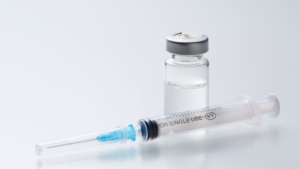
Start with the basics. You need to be confident that the contrast agents meet national safety standards, particularly for patients with kidney disease or those at risk of myocardial infarction.
Questions to ask:
- Are the contrast agents FDA-approved?
- Are products backed by clinical trials and scientific data?
- Are safety standards consistent with the American College of Radiology guidelines?
Also, check for consistency. Does the product formulation meet semantic accuracy (the right meaning and use) and syntactic accuracy (correct labeling and dosage)? These elements help reduce potential risks and maintain trust with referring physicians.
2. Product Range and Clinical Versatility
A good supplier offers more than just a single product. Evaluate if they carry a wide range of options to support different patient needs and scan types.
Look for contrast agents that are:
- Suitable for magnetic resonance imaging and CT
- Safe for pediatric patients and those with renal impairment
- Compatible with multiple injector systems
- Available in different concentrations and vial sizes
The right product variety also supports internal organ imaging, vascular exams, and advanced diagnostics for the intensive care unit.
3. Delivery Speed and Reliability
Vendor evaluation must include the logistics side of the partnership. You need fast, predictable delivery. Long wait times or supply gaps can lead to delays in high-quality care or canceled procedures.
Ask your supplier:
- Can they guarantee 24–48 hour nationwide shipping?
- Do they carry inventory or rely solely on third-party shippers?
- Are products shipped with expiration dates well ahead of your use window?
At Hitech Global Medical Services Co., we provide same-day shipping with nationwide delivery in 24–48 hours, helping centers avoid downtime and shortages.
4. Regulatory and Documentation Accuracy
Mistakes in documentation can lead to risk. Your supplier should offer full support with regulatory paperwork and clean labeling that meets compliance standards.
Check for:
- Product datasheets with representational consistency across all materials
- Clear usage instructions
- Batch and lot tracking for recalls
- Certificates of analysis
- Expiry tracking and digital reorder tools
Clean, structured information—backed by structural consistency and consistency through integrity constraints—makes your supply chain safer and easier to manage.
5. Supplier Track Record and History
How long has the vendor been serving the imaging field? Have they worked with your type of practice before, such as primary care physicians, multi-specialty practices, or large hospitals?
Look into:
- Years of experience in the imaging industry
- Reviews or case studies with medical imaging clients
- Support history during past supply chain disruptions
A long-standing vendor often shows a stable business model, which matters when disruptions happen or business continuity is on the line.
6. Responsiveness and Support
If something goes wrong, you need a partner who picks up the phone. Evaluate how quickly a potential vendor replies to requests, handles problems or gives updates on backorders.
Good vendors should offer:
- A dedicated account manager or support rep
- Multiple ways to place and track orders (online, phone, email)
- Help with product training, injector use, and storage guidance
At Hitech Global Medical Services Co., we offer product guidance, technical support, and equipment training for imaging departments of all sizes.
7. Consistency in Product and Service
It’s not enough for a vendor to perform well one time. Can they do it over and over again? Supplier quality metrics should include consistency across orders, support, and availability.
This means:
- No sudden price changes without warning
- Repeatable delivery timeframes
- Products that always meet the same high standard
- Long-term stock availability for regularly used items
In the medical imaging field, even one supply error can create ripple effects across multiple departments.
8. Price Transparency and Long-Term Value
Cost matters—but it shouldn’t be the only deciding factor. Look at the cost of ownership, not just the sticker price. Cheaper products may bring hidden costs like delays, errors, or expired stock.
Good questions to ask:
- Are volume discounts or pricing tiers available?
- Are shipping costs included or added later?
- Can I review past purchase history to track trends?
Vendors who support bulk purchasing can help lower total costs while avoiding excess inventory.
9. Technology Support and Data Access
Your supplier should help you stay organized. That means offering tools to track usage, reorder supplies, and forecast future demand.
Look for:
- Online ordering systems with real-time tracking
- Access to previous invoices, lot numbers, and delivery history
- Expiration date alerts and reorder reminders
Data matters in the age of accurate demand forecasting. Make sure your supplier supports smarter workflows.
10. Ability to Adapt in Emergencies
During natural disasters, global shortages, or transportation disruptions, how will your vendor respond?
A vendor that helps with business continuity planning should offer:
- Backup inventory reserves
- Alternate shipping routes
- Priority ordering for critical clients
- Regular communication during disruptions
During events like the COVID-19 pandemic, imaging centers learned that dependable partners can make the difference between canceled appointments and uninterrupted care.
Why This Checklist Matters
Choosing the right contrast media suppliers helps your imaging department avoid risk, reduce delays, and support safer outcomes. From vendor evaluation to post-purchase support, every step should reflect your standards for safety, speed, and high-quality care.
This checklist gives your team a tool to compare vendors side-by-side—so your choice isn’t based on a pitch but on proof.
How Hitech Global Medical Services Co. Checks Every Box
With over 40 years of experience in medical imaging, Hitech Global Medical Services Co. delivers:
- High-quality contrast media from top brands
- Same-day shipping and fast national delivery
- A wide selection of products for CT and MRI
- Strong product documentation and batch tracking
- Friendly support and real-time order tracking
- Reliable stock levels—even during disruptions
We’re more than a vendor—we’re a partner that helps imaging centers stay ready for every patient, every day.