Key Takeaways
- Guerbet contrast injectors are critical to CT/MRI workflows and directly influence diagnostic quality and patient safety.
- Factory-authorized technicians receive OEM training, tools, and protocols that generic biomedical teams cannot fully match.
- Genuine Guerbet parts and approved consumables protect calibration, safety systems, and long-term injector reliability.
- Non-authorized service risks voided warranties, higher failure rates, more downtime, and regulatory exposure.
- OEM-backed OptiProtect service programs help extend injector lifespan, stabilize costs, and support audit-ready documentation.
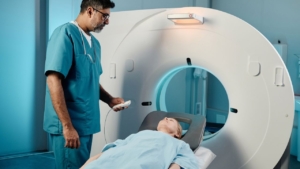
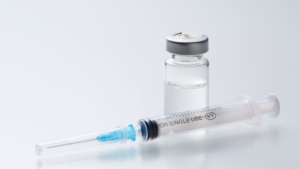
In CT and MRI, Guerbet contrast injectors control precisely how contrast is timed, dosed, and delivered. When they drift out of spec, image quality, patient safety, and throughput all suffer. This article explains why factory-authorized Guerbet injector service—and the certified technicians behind it—are essential to keeping injectors calibrated, compliant, and reliable, and how OEM-backed programs lower risk and long-term costs compared with generic biomedical maintenance.
What Role Do Guerbet Contrast Injectors Play in Modern Clinical Imaging Workflows?
Guerbet contrast injectors form the backbone of precision imaging in CT and MRI environments. These systems deliver contrast media with the accuracy and reliability that radiologists need for diagnostic confidence.
The OptiVantage Dual Head CT system exemplifies modern injector technology with multi-patient mode, dual head capability, and integrated safety features. A multicenter observational study from April to October 2023 documented 100% successful injections in obtaining diagnostic images (95% CI: 95.39%, 100.00%). The same study reported zero extravasation, air embolism, sepsis, or adverse events (95% CI: 0.00%, 3.62%), with particular emphasis on safety for elderly patients. This performance depends directly on proper maintenance by certified Guerbet injector technicians who understand system calibration and safety protocols.
How Do Guerbet Injector Platforms Support CT and MRI Image Quality and Consistency?
Guerbet systems deliver speed and reliability in high-volume imaging departments. Preparation time runs 6-10 seconds for most cases. Dayset changes are complete in under one minute. These efficiency metrics translate directly to patient throughput and reduced wait times.
The 100% diagnostic success rate in multi-use mode confirms that Guerbet platforms maintain consistent performance across patient populations. This consistency requires factory-authorized Guerbet service to preserve calibration standards and system integrity. When CT MRI injector certification standards are maintained through authorized service, imaging departments see fewer retakes, better workflow, and higher diagnostic confidence from radiologists.
Why Are Precision Flow Rates, Timing, and Dosage So Critical for Diagnostic Confidence?
Inconsistent flow rates compromise both imaging quality and diagnostic accuracy. Contrast media injectors must deliver the precise amount at the optimal speed for each scan protocol. Even small variations affect image enhancement patterns and can obscure pathology.
ACR guidelines specify flow rates matched to catheter gauge: 20-gauge or larger for rates exceeding 3 ml/sec, while 22-gauge catheters tolerate up to 5 ml/sec. Improper flow leads to adverse reactions from incorrect dosing. Annual preventive maintenance by authorized medical device repair specialists maintains a consistent flow rate delivery. This calibration work falls outside the scope of generic biomedical equipment service and requires Guerbet maintenance support to ensure accuracy meets manufacturer specifications.
How Does Factory-Authorized Service Differ From Generic Medical Equipment Maintenance?
Factory-authorized Guerbet service operates under manufacturer protocols that generic biomedical equipment maintenance cannot replicate. The difference lies in specialized training, genuine OEM parts, and adherence to Guerbet-specific service guidelines.
Factory-authorized technicians use genuine OEM parts designed to the manufacturer’s specifications. They follow documented service protocols and provide comprehensive compliance records required for audits and regulatory review. Non-certified repair providers show variable qualifications with no standardized training framework. This gap creates risk in complex systems where precision calibration and safety features must meet exact specifications. Authorized medical device repair ensures that every service intervention maintains the equipment’s original safety and performance standards.
What Specific Training and Certifications Do Guerbet-Authorized Technicians Receive?
Certified Guerbet injector technicians complete factory training at Guerbet’s centers of excellence. This training covers basic injector functions, pressure alert interpretation, sensor error diagnosis, daily cleaning protocols, and safety procedures. The program culminates in a training certificate that must be renewed every 24 months to maintain authorization status.
This renewal requirement ensures technicians stay current with firmware updates, new safety protocols, and evolving service techniques. The CT MRI injector certification process distinguishes factory-authorized providers from general equipment repair services. Regular brief refresher sessions—typically 20 minutes every few months—help facility staff recognize issues early and coordinate effectively with authorized service teams.
How Do OEM Procedures, Tools, and Documentation Shape a Proper Service Visit?
Factory-authorized Guerbet service visits follow structured protocols that generic maintenance cannot match. Each visit includes comprehensive diagnostic checks, component inspection, critical area cleaning, and wear testing. Technicians review software settings, apply firmware updates, and perform verification using calibrated test equipment.
Essential tools include pressure gauges capable of reaching 2,000 PSI and digital timers for injection duration measurements. Service work extends to tubing, syringes, seals, and safety controls. Technicians inspect injector heads completely, removing covers to verify no contrast or saline penetrated internal components. Each visit concludes with updated inspection stickers, asset labels, and documentation of parts replaced. Guerbet maintenance support teams review device recalls, field actions, and software notices to ensure compliance. This systematic approach—backed by comprehensive service records—provides the audit trail hospitals need for Joint Commission reviews and quality assurance programs.
Why Do Genuine Guerbet Parts and Approved Consumables Matter for Injector Reliability?
Genuine OEM parts meet manufacturer specifications that ensure optimal performance and safety system integrity. Non-OEM parts may appear functionally similar but lack the precision tolerances and materials validation required for critical medical devices. This creates risk in pressure-sensitive components and safety monitoring systems.
OptiProtect Preventive Maintenance programs include a 10% discount on genuine spare parts, offsetting cost concerns about OEM components. Gaskets require regular cleaning and eventual replacement when cleaning no longer restores seal integrity. While no parts require mandated annual replacement, condition-based replacement prevents failures. PM kits are available but not mandatory for every service visit. The key distinction: genuine parts maintain the calibration accuracy and safety features that contrast injectors depend on for patient protection and diagnostic quality.
Why Is It Essential to Use Factory-Authorized Technicians for Servicing Guerbet Contrast Injectors in Clinical Imaging Facilities?
Patient safety, regulatory compliance, and equipment reliability all depend on proper service execution. Factory-authorized Guerbet service ensures that critical safety systems, calibration standards, and warranty protections remain intact. Generic maintenance approaches lack the specialized knowledge required for these precision medical devices.
How Does Factory-Authorized Servicing Protect Patient Safety and Reduce Adverse Event Risk?
The OptiVantage study documented zero adverse events—no extravasation, air embolism, or sepsis—across a multicenter patient population. This safety record depends on properly maintained detection systems and calibrated delivery mechanisms. Industry-wide data shows extravasation occurs in 0.1% to 1.2% of power injections, while air embolism incidence ranges from 7% to 23%. Though often asymptomatic, large air volumes prove fatal.
Modern CT contrast injectors employ dual air detection technology with monitors in both pump and patient tubing that automatically halt injections when air bubbles appear. Systems like MEDRAD Centargo integrate three inlet air sensors for empty bottle detection and one outlet sensor for patient line protection. Certified Guerbet injector technicians understand these safety architectures and verify proper function during service visits. Poor servicing compromises these systems and increases adverse event risk. Factory training ensures technicians recognize failure patterns and test safety mechanisms according to manufacturer protocols.
In What Ways Does OEM-Level Calibration Preserve Injector Accuracy and Image Quality?
Annual preventive maintenance verifies that contrast injectors operate within manufacturer specifications. Professional service visits by certified Guerbet injector technicians ensure calibration adheres to OEM standards through flow rate checks, volume verification, plunger position testing, and pressure limit validation.
PM maintains a consistent flow rate delivery—critical for diagnostic imaging protocols. Proper calibration reduces the likelihood of head unit replacements and syringe repairs by catching drift before component failure occurs. While calibration adjustments aren’t always required annually, verification is mandatory. Systems that fall outside specifications receive recalibration during the service visit. This proactive approach preserves image quality and prevents the diagnostic inconsistencies that force scan retakes and delay patient care.
How Does Using Authorized Technicians Help Maintain Warranty Coverage and Liability Protection?
Factory-authorized Guerbet service maintains manufacturer warranty coverage. Non-certified repair may void warranties, leaving facilities liable for full replacement costs that exceed $30,000 per unit. Unauthorized service creates compliance issues that surface during audits or adverse events.
The FDA distinguishes between “servicing”—returning devices to OEM specifications—and “remanufacturing,” which alters performance or intended use. Remanufacturers face registration requirements, adverse event reporting mandates, Quality System regulation, and marketing submissions. Authorized medical device repair through certified providers keeps equipment in the servicing category with a clear regulatory status. Comprehensive service records and compliance documentation from Guerbet maintenance support teams provide the audit trail risk management requires. These records prove due diligence in the event of equipment-related incidents.
How Do Accredited Service Records Support Audits, Compliance, and Quality Programs?
Detailed PM reports, inspection stickers, and asset labels create the maintenance history that quality programs demand. Factory-authorized Guerbet service provides documentation that includes all parts replaced, issues identified, and corrective actions taken. This record-keeping supports Joint Commission reviews, FDA inspections, and internal quality audits.
Service records help prevent future issues by revealing patterns in component wear and system alerts. The FDA emphasizes quality maintenance as essential for device safety and effectiveness. Proper documentation proves regulatory compliance and demonstrates institutional commitment to patient safety. CT MRI injector certification through authorized service channels ensures that every maintenance intervention meets both manufacturer standards and regulatory requirements. Generic service providers rarely maintain this level of documentation rigor, creating gaps that auditors flag and risk managers question.
What Risks Arise When Facilities Rely on Non-Authorized or Underqualified Technicians?
Non-authorized technicians operate without standardized training or manufacturer oversight. They may use aftermarket parts that don’t meet specifications, skip critical test procedures, and provide inadequate documentation. These gaps create safety risks, financial exposure, and regulatory vulnerabilities that offset any perceived cost savings.
How Can Improper Repairs or Non-OEM Parts Compromise Safety Systems and Alarms?
Non-OEM parts may physically fit but lack the precision tolerances and material specifications that safety systems require. Improper syringe connections cause leaks, air aspiration, or inaccurate contrast delivery. Electrical malfunctions from faulty wiring or damaged connectors trigger system failures and erratic behavior that technologists struggle to diagnose.
Compromised safety systems directly increase adverse event risk. Extravasation occurs in 0.1% to 1.2% of power injections industry-wide, while air embolism incidence reaches 7% to 23%. Poor servicing can disable the dual air detection systems and pressure monitoring that prevent these events. When air sensors fail to detect bubbles or pressure alarms don’t trigger at the correct thresholds, patient safety depends on luck rather than engineered protection. Factory-authorized Guerbet service maintains these critical safety architectures through proper parts, calibrated testing, and verification protocols that non-authorized providers cannot replicate.
What Hidden Costs Emerge From Voided Warranties, Repeat Failures, and Unplanned Downtime?
Emergency repair bills run $1,500 to $5,000 per incident. Equipment replacement exceeds $30,000. Non-certified service shows lower upfront costs but generates higher long-term expenses through repeat failures and accelerated equipment degradation. Over five years, reactive maintenance costs reach $19,500 or more, versus $15,000 for preventative maintenance programs.
Downtime creates cascading financial impacts. Each failed injector cancels multiple scans daily. Staff hours shift from patient care to troubleshooting. Schedulers scramble to reschedule exams and manage patient complaints. Variable response times from non-authorized providers extend these disruptions. The absence of remote diagnostic support—standard with Guerbet maintenance support—means technicians must arrive on-site before diagnosis even begins. Voided warranties eliminate manufacturer backup when major component failures occur, forcing facilities to absorb full replacement costs that authorized medical device repair would have covered.
How Might Non-Compliant Servicing Expose Hospitals to Regulatory or Legal Consequences?
The FDA distinguishes between “servicing”—maintaining OEM specifications—and “remanufacturing,” which alters device performance or intended use. Remanufacturers face registration requirements, adverse event reporting mandates, Quality System regulation, and marketing submission obligations. Non-compliant service providers may inadvertently trigger remanufacturing classification through unauthorized modifications.
Voided warranties create direct liability exposure when equipment failures contribute to adverse patient events. Poor servicing that leads to malfunctions carries legal implications that risk management and legal counsel take seriously. Regulatory compliance requirements extend to cybersecurity—a growing FDA concern in connected medical devices. Non-authorized technicians rarely address firmware security, network protocols, or data protection standards that CT MRI injector certification programs mandate. These gaps surface during Joint Commission reviews, state inspections, and litigation discovery. Certified Guerbet injector technicians maintain compliance through documented adherence to manufacturer protocols and regulatory standards that protect both patients and institutions.
How Do Factory-Authorized Guerbet Service Programs Reduce Downtime and Total Lifecycle Cost?
Guerbet OptiProtect service tiers deliver predictable costs through fixed-price contracts that include labor and travel. These programs scale with facility needs without requiring major capital investments. The financial advantage extends beyond contract pricing—factory authorized Guerbet service dramatically extends equipment lifespan while reducing emergency repair frequency and downtime.
How Does Proactive OEM Preventive Maintenance Extend Injector Lifespan and Performance?
Equipment lifespan without preventive maintenance runs 5-7 years. Proper maintenance extends operational life to 20 years—a 186-300% increase. This extended service life delays or eliminates $30,000+ replacement expenditures and maximizes return on capital equipment investments.
Comprehensive PM strategies encompass daily cleaning, weekly inspections, and monthly reviews performed by facility staff, culminating in annual service by certified Guerbet injector technicians. This layered approach reduces head unit replacements, syringe repairs, power supply failures, and monitor issues. System calibration remains accurate, and performance verification confirms that injectors meet manufacturer specifications year after year. The longevity difference between maintained and neglected equipment represents the clearest ROI metric for Guerbet maintenance support programs.
What Impact Do Remote Diagnostics, Software Updates, and OEM Support Have on Uptime?
Service contracts reduce downtime during emergency events by 28%. Remote issue resolution addresses 29% of customer calls within 30 minutes or less—often before a technician would even arrive on-site for traditional service calls. VirtualCARE Remote Support enables expedited diagnostics through secure connections that let factory engineers assess system status in real time.
OptiProtect programs include expert remote support for minor issues, system resets, and part shipments. Complex problems requiring specialized tools trigger on-site appointments with certified Guerbet injector technicians who arrive prepared with diagnostic data from remote sessions. Units needing extensive service enter depot repair with continuous tracking and status updates. This tiered response system—remote first, on-site when needed, depot for major rebuilds—minimizes downtime compared to the “wait for a technician” model that non-authorized providers follow. The 29% remote resolution rate translates directly to canceled scans avoided and revenue protected.
How Can Contract Structures (Full-Service vs. PM-Only) Be Aligned With Budget and Risk?
OptiProtect Support (Preventive Maintenance) provides annual maintenance by Certified Engineers with controlled costs—labor and travel included—plus a 10% discount on genuine spare parts. Annual cost runs approximately $3,000 for OEM contracts. This tier suits facilities with strong internal biomedical programs that handle routine issues but need factory expertise for annual calibration and compliance documentation.
OptiProtect Shield (Full Protection) offers fixed maintenance costs with unlimited on-site visits, parts, labor, and travel covered. Planned annual maintenance combines with expert remote troubleshooting and on-site assistance for any issue. OptiProtect Secure (Comprehensive Continuity) adds a Guerbet Factory Certified Loaner unit during repairs for facilities that cannot tolerate any downtime. OptiProtect Select provides customizable options for mixed equipment fleets or specific workflow requirements. Third-party contracts average $1,500 but lack CT MRI injector certification standards and may void warranties. In-house training costs approximately $1,300 per model but requires ongoing staff investment and doesn’t provide external audit credibility. The choice depends on risk tolerance, internal capabilities, and the cost of downtime in each facility’s operational model.
Why Certified Guerbet Service Is Non-Negotiable
When you balance safety, uptime, and total cost, cutting corners on injector service simply doesn’t make sense.
Factory-authorized Guerbet technicians keep safety systems, calibration, and documentation aligned with OEM and regulatory standards, turning a 5–7 year injector into a long-term asset instead of a recurring headache.
At Hitech Global Medical Services Co., we partner with imaging teams to implement OEM-level service strategies that protect patients, control budgets, and support confident diagnoses on every scan.