Key Takeaways
- Annual Maintenance: Standard for most facilities; semi-annual service for high-use environments (30+ patients/day) ensures 99% uptime and avoids costly emergency repairs.
- Cost Savings: Preventive maintenance costs $2,500-$3,500/year, preventing repairs up to $10,500/incident. In-house programs offer 30-60% savings after initial training.
- Patient Safety: Regular servicing ensures accurate contrast delivery, preventing critical failures that could harm patients.
- Operator Checks: Simple daily and monthly checks ($5/day, $40/month) help detect issues early, preventing costly breakdowns.
- Regulatory Compliance: Proper documentation ensures compliance with FDA, ISO, and Joint Commission standards, avoiding penalties.
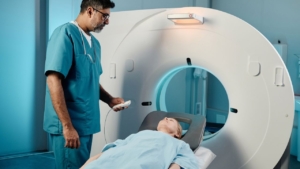
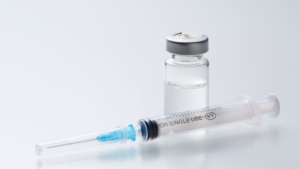
Contrast power injectors deliver critical diagnostic imaging capabilities across CT, MRI, and angiography procedures, making their reliable operation essential for patient care and facility efficiency. Yet many imaging departments struggle with equipment downtime, unexpected repair costs, and compliance challenges stemming from inadequate maintenance practices. Understanding optimal service intervals, recognizing warning signs, and implementing comprehensive maintenance programs can dramatically reduce costs while ensuring patient safety.
This guide answers the fundamental question facing every medical imaging professional: How often should contrast power injectors be serviced, and what maintenance practices maximize equipment longevity while minimizing operational expenses?
Why Is Regular Servicing Of Contrast Power Injectors Important?
Regular servicing prevents costly breakdowns and ensures reliable operation. Preventive maintenance costs significantly less than emergency repairs, and reactive maintenance runs up to three times more expensive than scheduled service. Proactive contrast injector maintenance achieves the industry benchmark of 99% uptime, maintains consistent contrast delivery flow rates, and reduces head unit replacements, syringe repairs, and power supply failures.
Patient safety depends on properly maintained equipment. Regular servicing ensures accurate contrast delivery at the correct dose, flow rate, and pressure. Failed pressure-limiting systems can cause catheter or vessel rupture. Maintenance prevents operational disruptions that create patient backlogs and maintains system calibration for safe diagnostic imaging.
Regulatory compliance through FDA, ISO, ACR, and Joint Commission standards requires documented maintenance to avoid warning letters, fines, license suspension, and accreditation loss.
What Are the Essential Components Of A Contrast Power Injector That Require Maintenance?
The injector head, electronic systems, and pressure mechanisms are crucial for safe and effective operation. To maintain optimal injector uptime reliability, it’s essential to regularly inspect these systems as part of the preventive maintenance schedule. The injector head loads contrast media and needs complete cleaning with cover removal to confirm no internal penetration. The display panel shows user settings, while the electronics box contains upgradeable operating system software.
Additional components include:
- contrast warmer for heating media to body temperature
- remote panel controls
- power systems (cords, batteries, drive systems)
- fluid paths (tubing, seals, gaskets)
- mechanical parts requiring lubrication
- mounting systems.
Pressure systems represent critical safety components; failure causes over-pressurization and patient injury. Gaskets require regular cleaning and replacement only when cleaning proves insufficient. No parts require mandatory annual replacement during PM. Moving parts need proper lubrication to prevent premature wear. BMET shops need only two specialized tools: a 2,000 PSI pressure gauge and a digital timer.
What Is The Standard Maintenance Schedule For Contrast Power Injectors?
Preventive maintenance occurs annually for standard-use equipment. High-use environments serving 30 or more patients daily require semi-annual maintenance. By adhering to these service intervals radiology, you can ensure optimal performance and reduce unexpected repairs.
Medrad and Bayer systems take 3-4 hours, GE Healthcare and Siemens require 1-2 hours, ACIST systems need 2-3 hours, and third-party basic service averages 1 hour.
Some facilities perform weekly checks while others schedule monthly or quarterly support depending on workflow.
| Maintenance Task | Frequency | Duration | Equipment Required | Acceptance Criteria |
| Visual Inspection (Complete) | Annual (Semi-annual for high-use) | 30 min | Visual assessment | No damage, wear, or leaks |
| Complete Head Cleaning | Annual (Semi-annual for high-use) | 45-60 min | Cleaning supplies, tools | No contrast/saline inside |
| Lubrication of Moving Parts | Annual | 20 min | Manufacturer lubricant | Smooth operation |
| Flow Rate Accuracy Testing | Annual | 30 min | Digital timer, flow meter | Within ±5% of target |
| Volume Verification | Annual | 15 min | Graduated cylinder | ±2-5% of programmed volume |
| Pressure Limit Testing | Annual | 45 min | 2,000 PSI gauge | Within ±5% of set pressure |
| Electrical Safety Testing | Annual | 60 min | Electrical safety analyzer | IEC 60601 compliance |
| System Calibration Verification | Annual | 90 min | Calibration equipment | Within ±3% tolerance |
| Software/Firmware Updates | Annual | 30-60 min | Software files from OEM | Latest version installed |
The annual requirement is calibration verification, not recalibration. If the equipment operates within ±3% tolerance (most cases), recalibration is unnecessary. Stationary units require PM before 8 AM clinical use, sometimes split over multiple days. Mobile units undergo PM in biomedical shops. Advanced PM programs monitor for hardware and software upgrades to prevent failures.
How Do Manufacturers Recommend Servicing Their Contrast Power Injectors?
Major manufacturers follow FDA, ISO, and OEM standards covering preventative maintenance, quality control, safety features, and infection control. All manufacturers require ISO 13485:2016 compliance for service providers, and clinical settings must maintain ISO Class 5 environments for sterile preparations. Service plans must be customized to facility workflow, with some centers performing weekly checks and others scheduling monthly or quarterly support.
Manufacturer Service Recommendations
- Medrad (Bayer) – Stellant, Spectris: Annual PM (semi-annual for 30+ patients/day), 3-4 hours, $3,000/year. Focus on visual inspection, cleaning, and flow rate verification with detailed operational checklists covering remote panel, head integrity, and mounting stability.
- GE Healthcare: Annual PM (semi-annual for high-use), 1-2 hours, $3,000/year. Emphasizes electrical safety, software updates, and calibration verification with strong focus on system integration and software validation.
- Siemens Healthineers: Annual PM (semi-annual for high-use), 1-2 hours, $3,000/year. Comprehensive preventive maintenance and system verification with OEM standards adherence and performance tracking.
- Bayer (Medrad Systems): Annual PM (semi-annual for high-use), 3-4 hours, $3,000/year. Thorough head cleaning, pressure testing, and operational checks with detailed gasket cleaning and replacement protocols.
- ACIST – CVi Systems: Annual PM (semi-annual for high-use), 2-3 hours, $2,500/year. Features rapid 60-second system verification protocols designed for workflow integration with minimal disruption.
- Third-Party Service: Annual PM (varies by usage), 1 hour, $1,500/year (approximately half of OEM cost). Provides basic PM, flow rate verification, and multi-brand support with ISO 13485:2016 compliance and OEM standards adherence.
Every service visit requires detailed documentation, including work performed, parts replaced, test results, and recommended follow-ups. Training certifications cover operation, PM, and calibration verification with nearly 100% hands-on instruction. Leading providers offer 24/7 support with remote service capabilities for simple fixes.
What Are The Common Signs That A Contrast Power Injector Needs Servicing?
Equipment displays multiple indicators when maintenance becomes necessary. Operational performance issues, visual and audible warnings, electronic alerts, and mechanical problems all signal service requirements. Daily operator logs, noting unusual observations combined with monthly accuracy checks, identify developing issues before critical failure occurs.
Warning Signs Requiring Service
Operational Performance Issues:
- Inconsistent pressure delivery varying more than ±10% from set values
- Flow rate inaccuracies beyond ±5% tolerance from programmed rates
- Volume discrepancies exceeding ±2% of programmed amounts
- Calibration drift exceeding 3% (well-maintained average is 1.2%)
- System response delays exceeding 2-3 seconds (benchmark is <2 seconds)
Visual and Audible Indicators:
- Unusual noises (grinding, squeaking) from motor or drive systems
- Visible leaks of contrast or saline from head, tubing, or seals
- Damaged components, including cracked cases, worn gaskets, and damaged cables
- Burned-out lights or non-functional display elements
- Cable integrity issues, such as frayed, damaged, or improperly organized cables
Electronic and Software Alerts:
- Pressure alerts or system warnings about pressure limits
- Sensor error codes indicating component malfunction
- Software glitches, including freezing, crashing, or incorrect displays
- Battery voltage warnings or voltage irregularities
Mechanical and Physical Signs:
- Restricted movement with head not moving smoothly
- Arm drift, where counter-poise arm fails to maintain position
- Loose mounting with unstable pedestal or loose screws
- Sticky buttons or controls not responding properly
- Syringe well damage, showing cracks or wear in loading areas
Professional servicing becomes necessary when equipment fails to operate within manufacturer specifications during verification, when alert or error codes cannot be resolved through basic troubleshooting, or when persistent performance issues continue after routine cleaning. Any safety-related concern, including pressure system malfunctions, requires immediate professional attention.
Equipment downtime approaching or exceeding the 1% threshold (below 99% uptime), failed annual QC testing results, or scheduled PM intervals based on time or usage volume all mandate professional service. Addressing small issues immediately prevents failure and reduces costs; waiting leads to expensive emergency repairs.
How Does Regular Servicing Affect The Longevity Of Contrast Power Injectors?
Well-maintained injectors achieve the industry benchmark of 99% uptime and demonstrate consistent performance throughout their service life. Regular biomed maintenance checklists help ensure that no component goes unexamined, increasing the reliability of the system.
Proactive PM extends equipment lifespan significantly compared to reactive approaches. Systems receiving regular maintenance show average calibration drift of only 1.2% (well within the 3% acceptable threshold), maintain consistent flow rates, require fewer head unit replacements and syringe repairs, experience lower risk of power supply failures and monitor issues, sustain better system calibration at factory specifications, and achieve extended intervals between major component replacements.
Preventive maintenance costs significantly less than reactive approaches; emergency repairs run up to three times more expensive than planned PM. Scheduled maintenance prevents costly operational disruptions, patient backlogs, and cascade failures where one damaged component harms related systems.
Regular gasket cleaning prevents expensive injector head damage, while proper lubrication prevents premature motor and drive system wear. OEM contracts at $2,500-$3,500/year prevent break-fix costs of $7,500-$10,500+ (3x multiplier). In-house programs at $800-$1,500/year (with $1,300 training) deliver significant ROI versus reactive costs. Third-party service at $1,200-$2,000/year (half of OEM) still saves substantially over emergency scenarios. Regular maintenance eliminates downtime costs, including lost revenue, rescheduling expenses, and workflow disruptions.
Maintaining equipment within specifications reduces the need for expensive recalibration ($150/session), while advanced PM programs monitor for upgrades and prevent failures before they occur. Equipment operating at 99% uptime supports consistent imaging schedules without disruption.
What Are The Risks Of Neglecting Regular Maintenance For Contrast Power Injectors?
Increased Repair Costs
Deferred maintenance leads to equipment failures, requiring emergency repairs that cost up to three times more than scheduled preventive maintenance (PM).
Calibration and Component Failures
Neglect can cause calibration drift and cascading component failures, where one malfunction damages related systems.
Patient Safety Risks
- Pressure system failures can cause catheter or vessel rupture.
- Flow rate inaccuracies beyond ±5% affect contrast delivery and diagnostic quality.
- Volume discrepancies exceeding ±2% lead to suboptimal or excessive contrast, increasing risks of contrast-induced nephropathy and allergic reactions.
- Inaccurate contrast delivery may require repeat procedures and additional patient radiation exposure.
- Electrical system malfunctions pose shock hazards, violating IEC 60601 standards.
Operational Disruptions
Equipment downtime disrupts imaging schedules, creates patient backlogs, and results in lost procedure revenue. Staff overtime costs also increase due to rescheduled procedures.
Regulatory Non-Compliance
Failure to meet regulatory standards can lead to serious consequences:
- FDA 21 CFR Part 820 non-compliance results in fines and warnings.
- Loss of ISO 13485:2016 certification affects service credibility.
- Violations of IEC 60601 electrical safety standards may require equipment shutdown.
- ACR accreditation issues arise from poor equipment management.
- State penalties include license suspension, and Joint Commission sanctions may result in accreditation loss.
- Total compliance costs range from $22,500-$58,000 annually, but non-compliance penalties can far exceed these costs and damage a facility’s reputation.
What Are The Costs Associated With Servicing Contrast Power Injectors?
Service costs vary significantly based on provider type, coverage level, and service model. OEM full service provides comprehensive coverage with rapid response times but commands premium pricing, while third-party and in-house options offer substantial savings with acceptable service levels for many facilities.
Service Contract Costs:
| Service Type | Annual Cost | Coverage | Response Time | Parts | Training | Best For |
| OEM Full Service (Medrad, GE, Siemens, Bayer) | $2,500-$3,500 | Comprehensive | 4-24 hours | All parts | Yes | High-volume facilities |
| ACIST OEM Service | $2,500 | Comprehensive | 4-24 hours | All parts | Yes | ACIST system users |
| Third-Party Service | $1,200-$2,000 | Basic to comprehensive | 24-48 hours | Most parts | Limited | Cost-conscious facilities |
| In-House Maintenance | $800-$1,500 | Self-managed | Immediate | User-purchased | Training required ($1,300/model one-time) | Facilities with BMET staff |
| Hybrid Service | $1,500-$2,500 | Selective coverage | 12-24 hours | Critical parts | Partial | Medium-volume facilities |
| Emergency Only | $500-$1,000 | Break-fix only | 24-72 hours | Per incident | No | Low-volume (NOT RECOMMENDED) |
QC And Testing Costs:
| Test Type | Frequency | Duration | Equipment Cost | Labor Cost | Total Cost |
| Flow Rate Accuracy Testing | Annual | 30 min | $20 | $30 | $50 |
| Volume Verification | Annual | 15 min | $10 | $15 | $25 |
| Pressure Limit Testing | Annual | 45 min | $50 | $25 | $75 |
| Electrical Safety Testing | Annual | 60 min | $50 | $50 | $100 |
| System Calibration Verification | Annual | 90 min | $75 | $75 | $150 |
| Daily Performance Verification | Daily | 10 min | $0 | $5 | $5 |
| Monthly Injection Accuracy | Monthly | 30 min | $20 | $20 | $40 |
| Software Validation | Annual | 120 min | $50 | $150 | $200 |
Regulatory Compliance Costs
FDA 21 CFR Part 820 ($5,000-$15,000 annually), ISO 13485:2016 certification ($10,000-$25,000 annually), IEC 60601 electrical safety ($2,000-$5,000 annually), ACR practice parameters ($1,000-$3,000 annually), state regulations ($500-$2,000 annually), and Joint Commission equipment management ($3,000-$8,000 annually).
Emergency Repair Premium
Emergency repairs cost up to three times more than scheduled PM. Routine annual PM at $3,000 compares to emergency repair at $7,500-$10,500, plus additional costs for lost procedure revenue, patient rescheduling, and workflow disruption. Expedited parts shipping and after-hours service rates further increase break-fix costs.
Regular maintenance minimizes long-term operational expenses substantially. Adherence to annual or semi-annual schedules prevents costly emergency repairs. In-house training at $1,300/model enables self-maintenance at $800-$1,500/year, saving 50-75% versus OEM contracts. Third-party contracts provide professional maintenance at approximately half OEM cost.
Proactive maintenance prevents cascade failures that multiply repair expenses. Daily checks ($5/day = $1,825/year) and monthly testing ($40/month = $480/year) identify issues when repairs remain minimal. Maintaining 99% uptime avoids downtime costs, including lost revenue and disruption, while proper documentation supports warranty claims and reduces liability in audits.
Cost-benefit analysis clearly favors prevention. The preventive approach costs $2,500-$3,500 OEM plus $645 QC for approximately $3,145-$4,145 total annually. The reactive approach risks $500-$1,000 emergency-only coverage plus $7,500-$10,500 repair plus downtime costs totaling $8,000-$11,500+ per incident. Preventive maintenance pays for itself by preventing a single emergency repair.
In-house programs show strong ROI at $1,300 training plus $800-$1,500 plus $645 QC, equaling $2,745-$3,445 first year, then $1,445-$2,145 subsequent years (30-60% savings).
How Can Users Maintain Their Contrast Power Injectors Between Professional Servicing?
Operators can perform essential daily and weekly maintenance tasks that keep equipment within specifications and minimize drift between professional service intervals. These routine checks take minimal time but deliver significant value in early problem detection and extended equipment life.
Daily Tasks (10 minutes, $5 cost):
- Conduct visual inspection of entire system before first use
- Check operational status and confirm system powers up properly
- Inspect for visible leaks, damage, or wear on all components
- Verify injector head moves smoothly on mounting device
- Clean exterior surfaces and remove contrast media or saline spillage immediately
- Ensure all cables are neat, organized, and undamaged
- Verify contrast warmer reaches proper temperature
- Document unusual observations in daily log
Weekly Tasks:
- Check fluid levels and verify adequate contrast media and saline supplies
- Inspect hoses, tubing, seals, and gaskets for cracks, leaks, or wear
- Review pressure alerts and address any sensor errors or system warnings
- Check mounting stability, ensuring the pedestal is secure, the screws are tight, and there is no arm drift
- Review daily logs to identify patterns or developing issues
Monthly Tasks: Injection accuracy testing (30 minutes, $40) using a test phantom to verify ±2% accuracy, detailed system inspection, more thorough than daily/weekly checks, cable management review, documentation update, recording monthly test results, supplies inventory verification, and maintenance schedule confirmation.
Regular minor maintenance keeps equipment within specifications. Daily cleaning prevents contrast and saline penetration into the injector head, avoiding expensive internal damage. Early detection through routine checks allows planned service rather than emergency repairs. However, user maintenance does NOT replace professional annual or semi-annual PM, these approaches are complementary.
Maintain daily logs of performance verification checks, record monthly test results, document all cleaning activities, and note warning signs for discussion during professional service.
When to Call for Professional Service: Contact professionals for any pressure alerts or sensor errors that cannot be cleared, performance degradation beyond normal parameters (flow rate >±5%, volume >±2%, pressure >±10%), mechanical issues including unusual noises or restricted movement, visible damage to critical components, scheduled PM due based on annual or semi-annual intervals, any safety concern whatsoever, or system downtime approaching 1% threshold.
Best Practices For Maintaining Your Contrast Power Injector
Maintaining your contrast power injector requires a combination of scheduled professional service and routine operator checks to achieve 99% uptime. Annual service is standard for most facilities, with semi-annual service for high-use environments, costing $2,500-$3,500 annually, far less than emergency repairs, which can be three times more expensive.
Following manufacturer guidelines, using OEM parts, and ensuring ISO 13485:2016 compliance are essential. A proactive maintenance program, including daily checks, weekly inspections, and monthly accuracy testing, helps detect issues early and prevent costly failures. This approach supports patient safety, regulatory compliance, and long-term cost savings, making preventive maintenance a worthwhile investment.
Need expert contrast power injector service? Spectrum X-ray offers comprehensive maintenance solutions to ensure your imaging equipment operates at peak performance.