Key Takeaways
- Professional contrast injector service in Los Angeles directly impacts patient safety, image quality, and throughput in busy CT and MRI departments.
- Poor or irregular maintenance increases the risk of extravasation, air embolism, costly emergency repairs, and unplanned downtime that disrupts scheduling.
- Structured CT/MRI injector maintenance using clear daily, weekly, monthly, and annual tasks helps extend injector life and significantly reduce breakdowns.
- LA facilities should prioritize OEM-certified, multi-vendor service partners with strong response times, remote diagnostics, and transparent performance metrics.
- Hitech Global Medical Services Co. offers fast-response contrast injector service in Los Angeles, planned maintenance programs, and experienced certified technicians to support high-volume imaging centers.
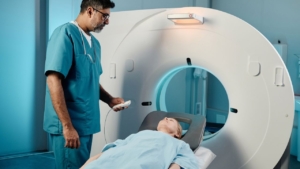
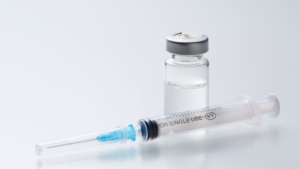
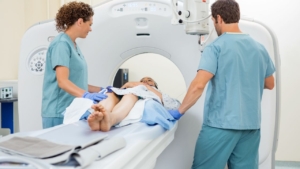
Contrast injector service in Los Angeles is a critical foundation for safe, high-quality CT and MRI imaging. With intense patient volumes, diverse case mixes, and pressure to keep schedules on track, LA medical facilities need reliable CT/MRI injector maintenance that minimizes downtime, controls costs, and protects patients on every scan.
Why Is Professional Contrast Injector Service Critical for Los Angeles Medical Facilities?
Contrast injectors are high-stakes medical devices where equipment failures directly impact patient safety and diagnostic outcomes. Los Angeles imaging centers handle high patient volumes across diverse case mixes, making reliable contrast injector service Los Angeles facilities can depend on for operational continuity and quality care.
How Do CT and MRI Injectors Impact Patient Safety and Diagnostic Quality?
Modern CT and MRI injectors deliver diagnostic contrast with precision while actively protecting patients through integrated safety systems. The CT motion™ injector uses dual air detection technology that monitors both pump and patient tubing, automatically halting injections when air bubbles are detected. MEDRAD Centargo systems integrate three inlet air sensors to detect empty bottles or bags and one outlet sensor to identify air before it reaches the patient line.
Clinical evidence validates these safety features. A multi-center OptiVantage safety study showed zero extravasation, air embolism, sepsis, or other adverse events (95% CI: [0.00%, 3.62%]). All injections achieved 100% success in obtaining diagnostic images (95% CI: 95.39%, 100.00%). When CT MRI injector maintenance keeps these systems functioning correctly, patient safety and image quality remain consistently high.
What Risks Arise When Contrast Injectors Are Poorly Maintained or Serviced Irregularly?
Deferred maintenance creates compounding financial and clinical risks. Emergency injector repair LA facilities face costs ranging from $1,500 to $5,000 per incident, while complete equipment replacement exceeds $30,000. Downtime from injector failures results in multiple canceled scans daily, directly impacting revenue and patient access.
Clinical risks escalate alongside financial costs. Extravasation occurs in 0.1% to 1.2% of power injections, while venous air embolism associated with CT contrast injection occurs in 7% to 23% of cases. Poor maintenance increases staff hours dedicated to troubleshooting and accelerates equipment degradation, creating a cycle of declining reliability and rising costs.
How Does Reliable Injector Performance Support Throughput in Busy LA Imaging Centers?
Facilities with professional medical imaging maintenance LA service contracts experience 28% less downtime during emergency service events compared to facilities without contracts. Remote diagnostics resolve 29% of service calls within 30 minutes or less, eliminating travel time and minimizing disruption.
Properly maintained injectors also optimize scan workflows. Clinical studies show preparation time of 6-10 seconds for most cases, with dataset changes completed in under one minute. When certified service technicians in Los Angeles imaging centers trust keep equipment is performing at specification, patient throughput remains high, and scheduling predictability improves.
How Do Contrast Injector Service Needs in Los Angeles Differ From Other Regions?
Los Angeles presents unique service challenges shaped by urban density, high patient volumes, and geographic sprawl. Understanding these regional factors helps facilities select medical imaging maintenance LA providers equipped to meet local demands.
How Do High Patient Volumes and Diverse Case Mixes in LA Shape Service Requirements?
Los Angeles imaging centers operate in one of the world’s largest healthcare markets, driving sustained demand for contrast injector services that Los Angeles facilities require. The global contrast media injectors market reflects this growth trajectory, expanding from approximately $1.4 billion to $2.08 billion in 2023-2024. Projections estimate the market will reach between $2.3 billion and $3.953 billion by 2025-2035, with compound annual growth rates between 6.0% and 8.1%.
This market expansion translates to increased equipment utilization and accelerated wear patterns in high-volume LA facilities. More injections per day mean more frequent consumable changes, a higher risk of component fatigue, and a greater need for responsive service infrastructure.
What Facility Types in Los Angeles Rely Most Heavily on Contrast Injector Uptime?
Academic medical centers, Level I trauma hospitals, and high-volume outpatient imaging centers face the greatest operational impact from injector downtime. These facilities run extended hours with tightly scheduled patient appointments where delays cascade rapidly. Emergency departments performing stroke protocols and trauma workups cannot tolerate equipment unavailability.
Outpatient imaging centers operating on narrow margins require maximum equipment uptime to maintain profitability. Multi-site imaging groups spanning the LA basin need service partners who can support geographically distributed equipment fleets with consistent response standards across all locations.
How Do Urban Logistics, Traffic, and Coverage Areas Affect Response Times for On-Site Service?
Los Angeles traffic patterns and geographic sprawl directly impact emergency injector repair LA response times. Service providers must strategically position technicians and maintain parts inventory across multiple locations to meet service commitments. A provider based in Orange County may require three hours to reach a West LA facility during peak traffic.
Spectrum X-Ray offers a rapid 24-48 hour response time specifically within the Los Angeles market, addressing urban logistics challenges. Multiple LA-area providers now offer emergency support with defined response times tailored to regional traffic patterns, though certified service technicians in Los Angeles facilities can access varying by provider coverage area and dispatch protocols.
What Are the Most Effective Maintenance Strategies Hospital Equipment Managers Can Use to Extend the Life and Reliability of CT Contrast Injectors?
Proactive maintenance strategies protect equipment investments while minimizing unexpected failures. Hospital equipment managers who implement structured CT MRI injector maintenance programs achieve significantly lower total cost of ownership and higher equipment availability.
How Should Daily, Weekly, and Monthly Maintenance Tasks Be Assigned Between Technologists and Biomeds?
Daily tasks require 10-15 minutes and should be assigned to imaging technologists who use the equipment. These include cleaning injector exteriors and touchscreens, inspecting connections and tubing for visible wear, and resetting the system to verify default settings before shutdown. This first-line maintenance prevents contamination buildup and catches obvious problems immediately.
Weekly checks take 20-30 minutes and can be shared between lead technologists and biomedical staff. Tasks include visual inspection of the injector head, testing the touchscreen and software interface, listening for unusual motor sounds, and backing up system data. Monthly maintenance requires 45-60 minutes and should be performed by qualified biomedical technicians. These tasks include lubricating moving parts per manufacturer specifications, checking calibration, performing test injections with water or safe test fluid, inspecting electrical cords and outlets, and reviewing error logs for patterns indicating component degradation.
How Can Structured Preventive Maintenance Significantly Reduce Unexpected Injector Downtime?
The financial case for preventive maintenance is compelling. Over five years, structured preventative maintenance costs remain stable at $15,000 total, while reactive maintenance costs escalate to $19,500 or more due to increasing repair frequency. Each avoided breakdown prevents emergency injector repair, LA service calls, and maintains patient scheduling continuity.
Robust preventive maintenance schedules identify developing problems before they cause failures. Regular inspections catch worn seals before they leak, detect tubing degradation before it ruptures, and identify calibration drift before it affects injection accuracy. Facilities with comprehensive medical imaging maintenance LA programs experience fewer emergency service events and maintain higher equipment uptime across their injector fleets.
Which Injector Components and Accessories Should Be Prioritized for Routine Inspection and Replacement?
Gaskets require regular cleaning and should be replaced when cleaning no longer restores proper function. Pressure tubing must be inspected for kinks, blockages, or leaks that compromise injection accuracy. Syringes should be checked for defects or damage—damaged syringes must be replaced immediately and never repaired.
Tubing and accessories require inspection for cracks or dryness, indicating material degradation. Unlike some medical equipment, contrast injectors have no parts mandated for annual replacement in typical preventive maintenance procedures. Component replacement should be condition-based rather than time-based, with certified service technicians in Los Angeles facilities relying on making replacement decisions based on inspection findings and manufacturer specifications.
Where Can Los Angeles Medical Facilities Find Certified Professionals for Reliable Contrast Injector Servicing and Emergency Maintenance?
Los Angeles medical facilities have access to multiple qualified service providers offering the contrast injector service Los Angeles imaging centers require. Selecting the right partner requires evaluating technical capabilities, response times, and manufacturer certifications.
How Can LA Imaging Leaders Identify Locally Based, OEM-Certified Injector Service Providers?
Four established providers serve the Los Angeles market with certified service technicians whom Los Angeles facilities trust. Agiliti Health offers comprehensive repair, inspection, and preventive maintenance to OEM standards, supporting Medrad and Mallinckrodt/Liebel-Flarsheim equipment with flexible service programs. F.E.O. Medical provides fast turnaround with 24/7 emergency support and loaner equipment availability, covering Bayer Medrad, LF/Mallinckrodt, and Bracco systems.
MedcoBlue specializes in all-inclusive annual service contracts with comprehensive PM, including gasket replacement and calibration for Medrad Spectris/Stellant, Bracco EZ Empower, and Mallinckrodt Optivantage injectors. Spectrum X-Ray delivers 24-48 hour response times specifically within the LA market, backed by decades of hands-on experience with diagnostic imaging systems and planned maintenance programs designed for high-volume facilities.
What Questions Should Facilities Ask Prospective Vendors About Coverage Areas and Emergency Response?
Response time commitments vary significantly by provider and should be verified in writing. Spectrum X-Ray guarantees a 24-48 hour response within the Los Angeles market, while other providers may quote longer timelines depending on technician dispatch locations. Facilities requiring emergency injector repair LA should confirm 24/7 support availability—F.E.O. Medical explicitly provides round-the-clock emergency coverage.
Loaner equipment availability prevents extended downtime during major repairs. Both F.E.O. Medical and MedcoBlue maintain loaner injector inventories for facilities under service contract. Depot service options matter for complex repairs requiring specialized tools or extended troubleshooting—F.E.O. Medical and MedcoBlue both offer depot repair services with continuous tracking and status updates throughout the repair process.
How Can Hitech Global Medical Services Co. Support Contrast Injector Service Needs Across the Los Angeles Region?
Spectrum X-Ray provides comprehensive medical imaging maintenance that LA facilities need, including full diagnostics, preventive maintenance, installations, and equipment upgrades. The company’s rapid 24-48 hour response time addresses the unique logistics challenges of serving the greater Los Angeles area, from coastal facilities to inland locations.
Decades of hands-on experience with diagnostic imaging systems position Spectrum X-Ray to support diverse equipment fleets across multiple manufacturers. Their planned maintenance programs are tailored to individual facility needs, accommodating both high-volume imaging centers requiring frequent service visits and smaller facilities operating on predictable annual maintenance schedules. This flexibility makes Spectrum X-Ray a strategic partner for CT MRI injector maintenance across varied facility types and operational models.
How Should Los Angeles Facilities Structure Preventive Maintenance Schedules for Their Injector Fleet?
Effective scheduling balances equipment protection with operational demands. Los Angeles facilities must adapt standard maintenance intervals to match actual equipment utilization while minimizing impact on patient scheduling and revenue.
How Can Service Intervals Be Adapted for High-, Medium-, and Low-Volume CT and MRI Sites?
Preventive maintenance on contrast injectors is performed annually as the industry standard baseline. Typical PM duration varies from 30 minutes to 2 hours, depending on injector model and cleaning requirements, with average service visits completing in approximately one hour. This consistency allows facilities to schedule maintenance during predictable low-census periods.
High-volume sites running 12-16 hours daily may benefit from semi-annual inspections to catch wear patterns between annual PM visits. Medium-volume facilities typically maintain standard annual schedules with robust monthly checks by biomedical staff. Low-volume sites can often extend to 15-month intervals if monthly inspections confirm stable performance, though manufacturer warranty terms may require strict annual compliance. Certified service technician, Los Angeles, should assess utilization patterns and recommend interval adjustments based on injection counts and visual wear indicators.
How Can Departments Coordinate Injector Service with Scanner Maintenance to Minimize Disruption?
Coordinating CT MRI injector maintenance with scanner preventive maintenance maximizes efficiency by consolidating downtime. When scanners undergo annual PM, injector service can occur simultaneously since both systems are offline. This approach requires advanced scheduling coordination between imaging leadership and service providers.
Facilities should request overlapping service windows from their medical imaging maintenance LA partners, ensuring injector technicians arrive during the same scheduled downtime as scanner engineers. Some providers offer bundled service contracts covering both scanners and injectors with coordinated scheduling, eliminating the administrative burden of managing multiple vendor calendars. This coordination prevents multiple separate disruptions throughout the year and improves overall equipment availability.
What Role Do Remote Diagnostics and Phone Support Play in Reducing On-Site Service Visits?
Remote diagnostics capabilities have transformed contrast injector service Los Angeles facilities receive, enabling faster resolution without technician dispatch. VirtualCARE® Remote Support and similar platforms allow manufacturers to access injector systems remotely, perform diagnostics, adjust settings, and clear error codes without on-site visits. Industry data shows 29% of service calls are resolved remotely within 30 minutes or less.
Service providers now offer tiered remote support for minor issues, system resets, and coordinating part shipments before dispatching technicians. This approach reduces emergency injector repair LA response requirements by resolving simple problems immediately. When on-site service is necessary, remote pre-diagnostics ensure technicians arrive with correct parts and targeted troubleshooting plans, improving first-time fix rates and minimizing total service duration.
What Criteria Should Los Angeles Hospitals Use When Choosing a Contrast Injector Service Partner?
Selecting the right service partner determines long-term equipment reliability, warranty compliance, and total cost of ownership. Los Angeles hospitals should evaluate technical qualifications, performance metrics, and contract structures before committing to medical imaging maintenance LA agreements.
How Important Are OEM Certifications, Factory Training, and Multi-Vendor Expertise?
OEM certifications directly impact service quality and warranty protection. Guerbet engineers receive factory training at centers of excellence with certifications renewed every 24 months, ensuring current knowledge of evolving equipment designs. Agiliti Health employs technicians with both OEM and ISO 13485:2016 certifications, demonstrating a commitment to quality management standards.
Factory-authorized service maintains manufacturer warranties, while unauthorized service may void coverage and leave facilities financially exposed. Genuine OEM parts are designed to manufacturer specifications for optimal performance and reliability. Facilities operating mixed equipment fleets benefit from certified service technicians Los Angeles providers employ who hold certifications across multiple manufacturers—Medrad, Guerbet, Bracco, and Mallinckrodt—eliminating the need for separate service relationships for each injector brand.
What Service-Level Metrics—Response Time, First-Time Fix Rate, and Uptime—Should Facilities Demand?
Quantifiable service-level agreements separate professional providers from inadequate vendors. Service contracts should deliver measurable results, with industry data showing 28% less downtime during emergency service events for facilities with comprehensive contracts versus those without. Response time commitments must reflect Los Angeles geography—Spectrum X-Ray’s 24-48 hour guarantee addresses urban logistics challenges specific to the LA basin.
First-time fix rates and uptime guarantees should be explicitly defined in service contracts, not implied or estimated. Facilities should require monthly or quarterly reporting showing actual response times, fix rates, and equipment availability percentages. Emergency injector repair LA providers should specify escalation procedures when initial service attempts fail, including loaner equipment availability and expedited parts procurement for extended repairs.
How Can LA Facilities Compare Contract Types, From Time-and-Materials to Full-Service Agreements?
Contract structures vary significantly in cost and coverage. Annual OEM service contracts average approximately $3,000 per injector, providing comprehensive coverage with genuine parts and factory-trained technicians. Third-party contracts cost approximately $1,500—roughly half the OEM price—though facilities must verify certification levels and parts sourcing.
In-house training programs cost as low as $1,300 per model, enabling biomedical staff to perform routine CT MRI injector maintenance while maintaining OEM service relationships for complex repairs. Time-and-materials arrangements offer no annual commitment but create unpredictable costs and provide no priority service during emergencies. Facilities should calculate total five-year costs, including emergency repairs, when comparing options—contrast injector service Los Angeles agreements with higher annual fees often deliver lower total cost through prevented breakdowns and priority response.
Powering LA Imaging: Why Your Next Service Partner Matters
If your Los Angeles facility is ready to tighten up contrast injector maintenance, reduce emergency repairs, and stabilize uptime, we can help. At Hitech Global Medical Services Co., we provide fast-response injector service, planned maintenance, and certified support tailored to LA imaging centers that can’t afford downtime. Reach out to us today so we can keep your contrast injectors – and your schedules – running smoothly.