Key Takeaways
- CT injectors are built for speed and high-pressure delivery, ideal for fast imaging like trauma scans.
- MRI injectors prioritize safety in magnetic fields and offer slow, steady injections.
- Contrast injector systems must match the type of imaging—CT or MRI—to avoid safety or image quality issues.
- Regular contrast injector service and preventive maintenance help prevent common problems and extend device life.
- Working with a trusted contrast media supplier like Hitech Global Medical Services Co. gives you access to equipment, training, and support that your team can count on.
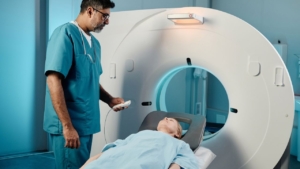
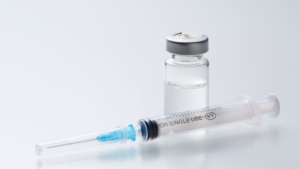
When it comes to diagnostic imaging, CT injectors and MRI injectors play a big role in how clearly and accurately a scan can show what’s going on inside the body. These devices push contrast media into the bloodstream, which makes certain organs or blood vessels easier to see during a scan.
Both types of injectors do similar jobs, but they do it in different ways. That’s because the imaging methods—CT (Computed Tomography) and MRI (Magnetic Resonance Imaging)—work in different ways too. Understanding these differences helps imaging staff choose the right contrast media injector for each job.
Technology Behind CT Injectors
CT injectors work with X-ray technology. They need to deliver contrast quickly and sometimes in high volumes. The speed helps highlight fast-moving blood through arteries and veins, which is especially helpful for heart and trauma imaging
These injectors usually have dual syringes. One pushes the contrast media, and the other can flush with saline. The flow rates are also faster compared to MRI injectors. Because of these needs, CT injector systems are built to be durable and accurate under high pressure.
What Makes MRI Injectors Different
MRI injectors are made to be safe around strong magnetic fields. This means they are usually made with non-metal parts or are shielded in a way that prevents magnetic interference.
Also, MRI contrast is injected more slowly than in CT. MRI machines take longer to complete a scan, and the contrast doesn’t need to move as fast. So, MRI injector systems focus on steady, controlled injection over a longer time.
Another major difference is compatibility. Not every contrast media injector can be used for both CT and MRI. Each machine has its own requirements. That’s why it’s important to match the injector with the imaging type being used.
Compatibility and Workflow Considerations
CT injectors usually stay close to the scanner. MRI injectors, however, are often placed outside the scan room because of magnetic field safety. The tubing has to be longer, and the injector needs remote control features to allow techs to operate it safely from outside.
This setup affects how imaging departments organize their space. It’s also one reason why MRI injectors are often more expensive. The materials and safety standards are stricter.
In both systems, techs rely on smooth controls, easy touchscreen access, and memory for saved protocols. These features help in managing daily scans efficiently. Choosing the right contrast injector system can help speed up workflows and improve patient care.
Common Maintenance Needs and Service Differences
Over time, both types of injectors can have issues. These might include monitor issues, power supply failures, or problems with the head unit or syringes. Regular preventive maintenance is key to keeping everything working safely and reducing downtime.
Whether you’re working with a CT injector or an MRI injector, common repairs include syringe repairs, system calibration, and full performance verification. A proper contrast injector service will also provide PM reports, inspection stickers, and asset stickers to keep records clear and updated.
Many imaging centers prefer planned maintenance to catch problems early. This kind of service helps avoid delays and protects the investment in your equipment.
Training and Safety Checks
Staff training matters. Knowing how to handle both CT and MRI injectors safely keeps things running smoothly. Our Service Training Courses and training manuals help imaging teams stay updated and confident in their work.
Also, checking for device recalls or field actions is critical. Using a recalled unit, even by mistake, can affect patient care and safety. Working with a contrast media supplier who also offers depot repair, remote service, and technical support makes a big difference.
Who Should Care About the Differences?
Anyone involved in diagnostic imaging should understand these differences, especially imaging department heads, radiologists, and techs. For independent clinics and outpatient centers, picking the right contrast injector devices helps with budget planning and scan quality.
If you’re running a Cath Lab, orthopedic clinic, or urgent care center, you likely use both CT and MRI systems. Choosing a reliable contrast media supplier helps keep things running smoothly. That includes having a wide stock of injector parts, syringes, and access to 24/7 support when needed.
CT vs. MRI Injectors in Summary
CT injectors focus on speed, volume, and pressure. MRI injectors focus on safety, steady flow, and magnetic compatibility. Both are vital to diagnostic imaging equipment, but they have different technical and handling needs.
Think about what kind of scans your team does most. Do you need fast scans for trauma cases or careful, slow injections for brain imaging? Matching the right contrast media injector to the right job helps deliver clear images, fast results, and better service for patients.
Choosing between CT injectors and MRI injectors is not just about the machine—it’s about daily workflow, patient safety, and the quality of your imaging.
How Hitech Global Medical Services Co. Can Help
At Hitech Global Medical Services Co., we make it simple for you to get the right injectors and supplies. We offer top-of-the-line contrast media injectors, including trusted names like Guerbet, Bayer, and Medrad. We also carry a full inventory of syringes, injector parts, and diagnostic imaging equipment for CT and MRI use.
Our team provides contrast injector service, preventive maintenance, and even depot repair for both CT and MRI systems. Whether it’s a Medrad Spectris, Medrad MR, or any other injector you work with, we support your imaging department with fast service and accurate diagnostics.
We understand how important it is to have equipment that works every time. That’s why we offer 24/7 support, nationwide shipping, and a dedicated service team. As a reliable contrast media supplier, we’re proud to help imaging centers keep their systems working, their patients safe, and their workflow steady.